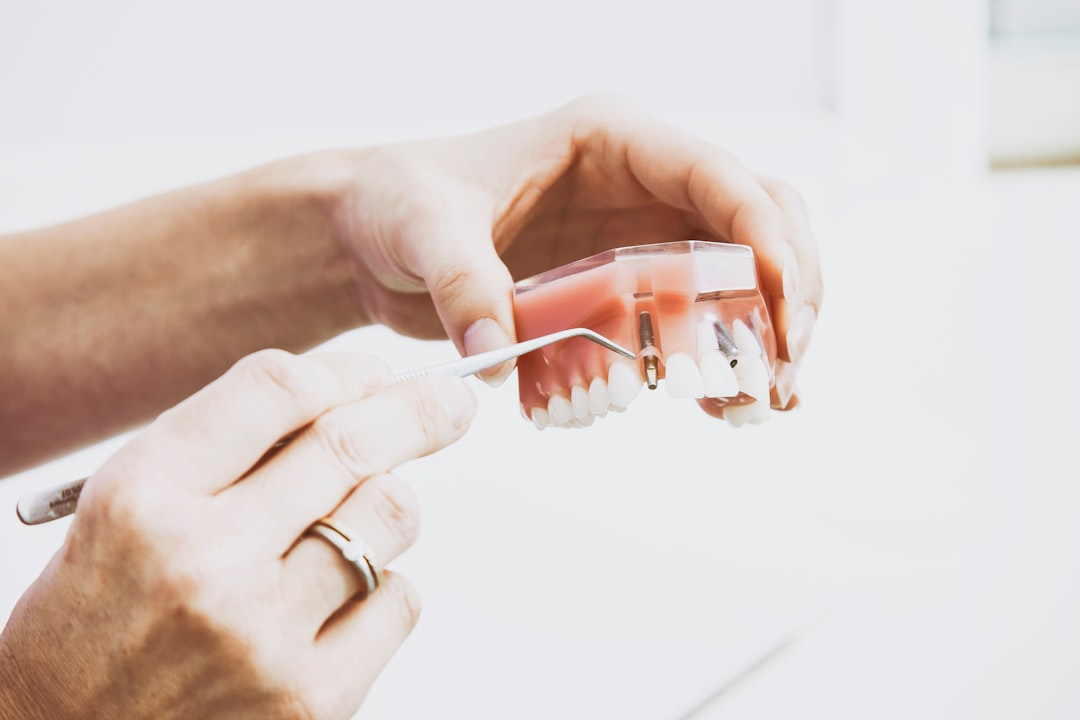
You’re sitting in the dental chair, staring at the treatment plan for that implant-supported denture you’ve been putting off. The total is $8,200. Your insurance will cover some, but the kicker is the $1,500 deductible you have to pay before they start. Your jaw tightens. At 57, with a fixed income and a Medicare Advantage plan that barely touches major restorative work, that number feels like a door slamming shut. But here’s what most dentists won’t tell you: some of them quietly waive your deductible as a patient-retention strategy—legally. They’d rather keep you in the chair, paying for the crown, than watch you walk out to a competitor. The trick is knowing how to ask without sounding like you’re fishing for a deal. This isn’t about fraud; it’s about knowing which procedures, like implant-supported dentures, can be reclassified as medically necessary—and having the exact script to open that conversation.
The Hidden Loophole: Why Some Dentists Quietly Waive Your Deductible
You’ve probably felt that gut-punch when the front desk quotes your deductible—$500, $1,000, or more—before you can get that crown or implant you’ve been putting off. The frustration is real: your insurance covers 80% of the procedure, but the remaining 20% plus the full deductible can leave you staring at a bill that feels impossible. What if you learned that some dentists quietly reduce or waive that deductible entirely? It’s not a scam; it’s a legal strategy rooted in how dental practices bill insurance.
Here’s the distinction that matters: waiving a deductible becomes insurance fraud only if the dentist submits a false claim to the insurance company. But if your dentist reduces the fee before billing your plan—effectively lowering the total cost—the deductible adjusts naturally. Many practices do this as a professional courtesy discount, a quiet tactic to retain patients who would otherwise delay care or search for “affordable dental care near me.” They’d rather keep you in the chair than lose you to a competitor.
This is especially common for major work like implants ($3,000–$4,500 per tooth) or crowns ($1,000–$3,500), where the deductible feels like a second mortgage. Dentists know that Medicare dental coverage is essentially zero for routine care, creating a chasm that drives patients to delay treatment. By offering a pre-negotiated fee that effectively waives the deductible, they protect their patient base and your health. The key is knowing how to ask—and that’s where most people get stuck.
Medicare Dental Coverage: The Gap That Drives Patients to Ask for Help
You might assume your Medicare plan covers dental work. That assumption could cost you thousands. Traditional Medicare—Parts A and B—pays exactly zero for routine dental care like cleanings, fillings, crowns, or implants. Even if you have Medicare Advantage, most plans cap annual dental benefits at $1,500 to $2,000. That barely covers a single crown, which typically runs $1,000 to $3,500, let alone a dental implant at $3,000 to $4,500 per tooth.
This coverage gap creates a painful financial trap. You need a crown to save a cracked molar. Your insurance covers 80% of the procedure cost after you meet your deductible. But that deductible might be $500 to $1,500—and you have to pay it in full before insurance kicks in. For many older adults on fixed incomes, that upfront sum is simply unaffordable. You search "affordable dental care near me" and find nothing that bridges the gap.
That’s why some dentists quietly waive the deductible as a professional courtesy. It’s not fraud—it’s a pre-negotiated fee adjustment that reduces your out-of-pocket cost. Dentists do this to retain loyal patients who might otherwise delay care and worsen their oral health. When you understand why dentists waive deductible fees, you stop feeling trapped between your health needs and your bank account.
You could save $500 to $2,000 per procedure just by asking the right way. The next section shows you exactly how.
Medically Necessary vs. Cosmetic: How to Get Your Procedure Reclassified
That's your entry point. The distinction between what insurance considers "medically necessary" versus "cosmetic" can be the difference between paying full price and getting significant coverage. You've likely seen the fine print in your dental policy: procedures that restore function or prevent health decline are treated differently than purely aesthetic work. A crown on a fractured tooth isn't vanity—it's preserving your ability to chew. Implant-supported dentures for severe bone loss aren't cosmetic; they're addressing a medical condition that affects nutrition and jaw health.
Here's where the quiet strategy comes in. Some dentists, especially those who understand why dentists waive deductible policies as a patient-retention tool, will help you reclassify borderline procedures. They'll document the medical rationale—chronic pain, inability to eat properly, risk of infection—and submit the code that triggers higher coverage. For example, a single dental implant averaging $3,000–$4,500 can shift from a 50% cosmetic coverage tier to 80% medically necessary coverage if your dentist documents bone deterioration or adjacent tooth shifting. A fractured tooth requiring a $2,500 crown becomes restorative care, not elective work.
You need to understand the gap Medicare leaves open. Traditional Medicare covers zero routine dental care—no exams, no cleanings, no crowns. Even Medicare Advantage plans cap annual benefits at $1,000–$2,000, leaving you exposed for major work. That's why thousands search "affordable dental care near me" every month. But if your procedure qualifies as medically necessary, some states require dental insurers to provide coverage regardless of cosmetic exclusions. Your dentist's office manager knows these codes. You just need to ask.
The script is simple: "I'd like to discuss whether my procedure qualifies as medically necessary under my plan. Could you review the diagnostic codes and documentation requirements with me?" That opens the door without promising anything. The next section shows the exact conversation to have—and the polite, professional way to ask for the deductible waiver itself.
How to Ask Your Dentist to Waive the Deductible (Without Sounding Pushy)
You pick up the phone, and your palms are sweating. That's normal—asking for money off feels awkward. But here's the reality: many dentists have a quiet policy of offering a professional courtesy discount to loyal patients or those paying out of pocket. It's not fraud if it's pre-negotiated and documented correctly. So start the conversation by saying, "I'm exploring affordable dental care near me, and I wanted to ask if you offer any professional courtesy discounts or pre-negotiated fees for patients paying with insurance." That phrasing signals you're educated, not demanding. You're simply opening a door.
If the front desk seems confused, gently pivot. Say something like, "I understand you may have flexibility on the deductible as a marketing expense to retain patients. I've heard some offices do that, and I'd be happy to pay the full amount now if you can apply a discount." This approach works because you're not accusing them of anything—you're offering a path forward. It's the same logic behind why dentists waive deductible fees: patient retention saves them marketing dollars and builds trust. A patient who feels respected returns for cleanings, referrals, and future work.
Be ready for a soft "no." If they say they can't waive the deductible, ask about medically necessary coding for your procedure. For example, implant-supported dentures might qualify if a standard denture causes bone loss or chewing problems. That coding can shift the insurance write-off and reduce what you owe. One patient in Phoenix saved $1,200 on a crown simply by asking if her dentist could reclassify it as essential to prevent tooth fracture. You're not manipulating the system—you're asking for what's legally available. And that's a conversation any professional can have.
The Fine Print: What’s Legal, What’s Fraud, and How to Protect Yourself
That conversation starts with understanding the legal line. When a dentist reduces their fee upfront—say, from $4,500 to $3,500 for an implant—they can legally waive your deductible because they're lowering the total cost. What’s illegal is billing your insurance for the full $4,500 while only collecting your co-pay, a practice called "fee forgiveness" that the Federal Trade Commission treats as fraud. It’s a subtle difference that trips up many patients, but the key is transparency: the dentist must adjust their fee before submitting the claim, not after.
You’ve probably felt the trap yourself. Your insurance covers a crown at 80% after you meet your $1,000 deductible, so you’re staring at $2,500 out-of-pocket for a procedure you need now. That’s why some dentists quietly waive deductibles as a patient-retention strategy—they’d rather keep you in their chair than lose you to a competitor. But you can’t ask them to lie on the paperwork; you can only ask them to reduce their fee.
Here’s the professional approach: call and say, "I’m considering treatment with you, but my deductible makes it financially difficult. Is it your practice to pre-negotiate a reduced fee that could waive that deductible?" That phrasing avoids any hint of fraud and signals you understand the rules. If the dentist agrees, get the adjusted fee in writing before treatment. You’ll protect yourself while accessing a quiet benefit that thousands of patients miss—and you could save $500 to $2,000 per procedure just by asking the right way.
Before you pick up the phone, draft a single, polite script: “I’m committed to my treatment plan, but meeting the full deductible first is a real strain. Is there any flexibility to apply your in-network savings directly to my out-of-pocket costs?” Say it calmly, with genuine curiosity. If the answer is no, you haven’t lost anything—but some dentists will quietly agree, and you’ll have just saved hundreds. That first visit, where the front desk nods and says, “We can make that work,” is the moment you realize the system bends more often than it breaks. What else might they be willing to waive if you simply knew the right question to ask?