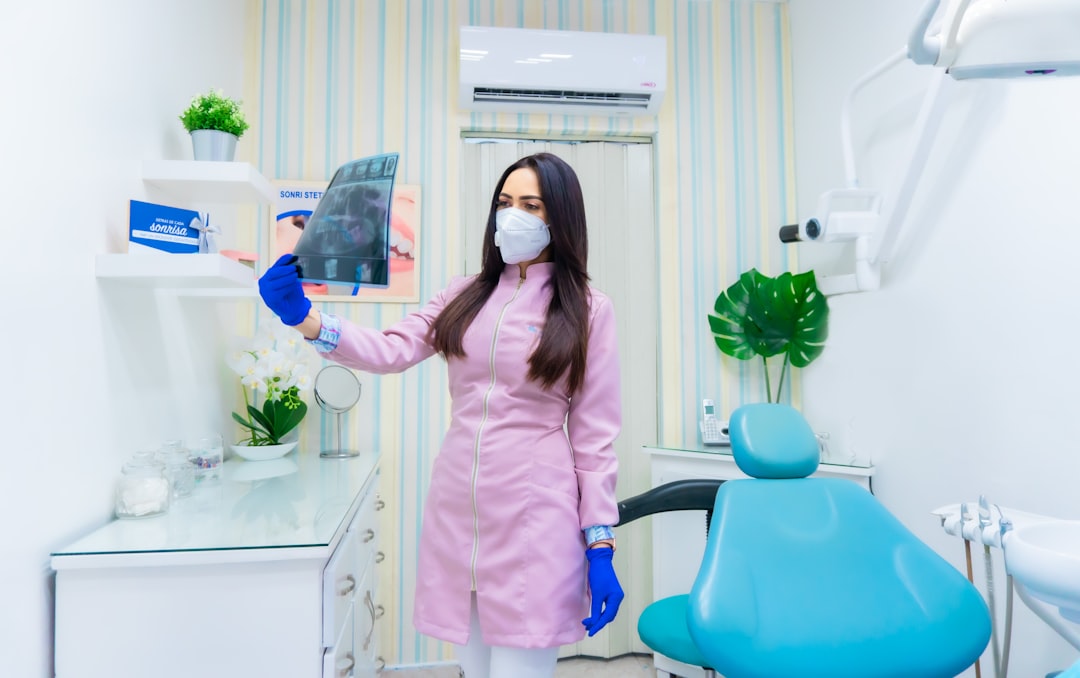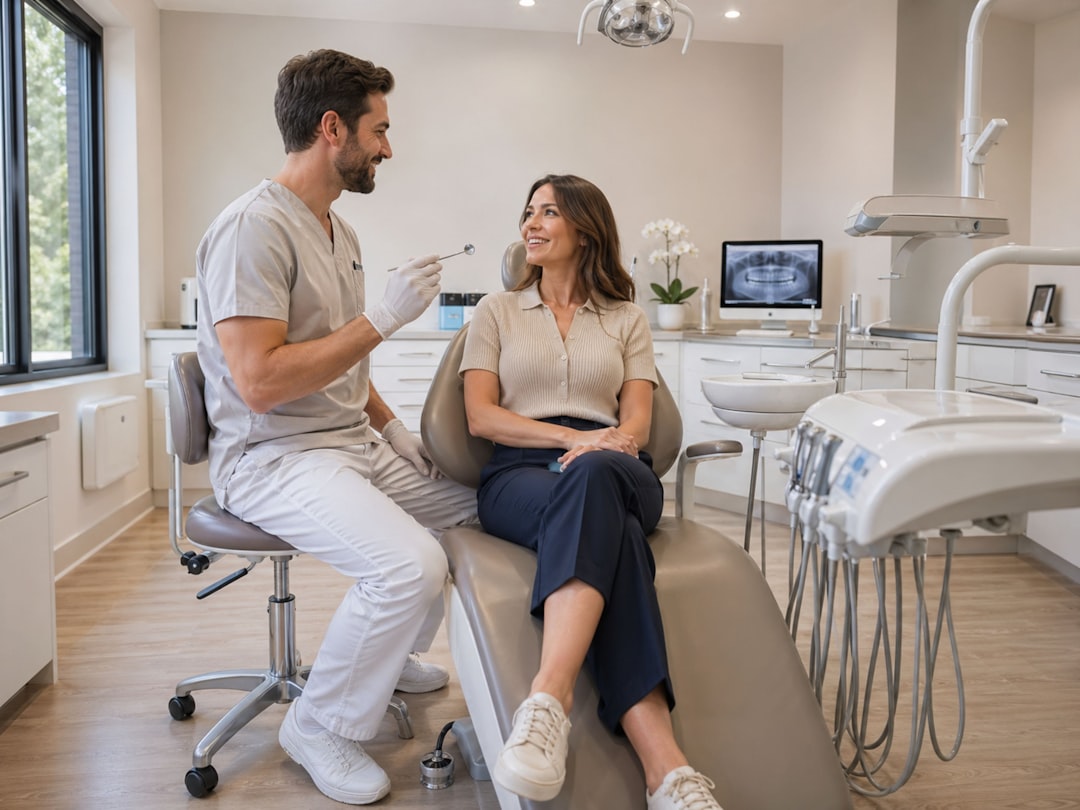
You’re sitting in the parking lot, gripping the steering wheel after the dentist just quoted you $4,200 for a crown you can’t postpone. Your jaw aches, your savings don’t stretch, and the insurance you pay for every month is suddenly useless—leaving you stuck choosing between pain and debt. It’s the same trap tens of millions of Americans over 45 face. But what if the real problem isn’t the high cost of care, but the fact that your dentist isn’t telling you about a specific billing loophole that could slash your bill by 70%? While you’ve been told “dental schools are cheaper,” no one has revealed the tactical secret: procedures can be reclassified as “medically necessary,” forcing government programs and insurers to pay what they usually deny. This isn’t generic advice—it’s a targeted, legal strategy that turns a university clinic into your financial lifeline for implants, root canals, and crowns.
The $4,000 Implant That Cost $1,200: How Dental School Clinics Exploit a Medicare Loophole
You sit in the consultation room, staring at a treatment plan for a single dental implant. The number at the bottom reads $4,000. Medicare won't touch it—they consider it cosmetic, even though your missing molar causes bone loss and shifting teeth that threaten your entire bite. Your wallet feels the sting before you've even signed anything.
But here's what most dentists won't tell you: that $4,000 implant can cost you just $1,200 at a dental school clinic savings center. The secret isn't just student labor. It's how these clinics legally reclassify your procedure from "cosmetic" to "medically necessary" under Medicare and Medicaid rules.
The loophole works like this. Traditional private practices bill implants as elective restoration—a cosmetic upgrade that insurance ignores. Teaching hospitals and their affiliated dental school clinics use different coding. They document evidence of infection, chewing dysfunction, or progressive bone loss. Suddenly, your implant becomes a medical necessity, not a vanity project. The clinic applies teaching hospital billing codes that insurers recognize, unlocking partial coverage many patients don't know exists.
Your bill drops from $4,000 to $1,200 because the clinic negotiates treatment plans through their fee-for-service sliding scale. They're required to meet charity care quotas, so they accept what insurance pays without balance billing you for the rest. The predoctoral clinic handles the work under supervision, and you walk away with a functional tooth at a fraction of the normal dental crown cost.
Medicare Dental Coverage Gaps: Why Your Insurance Won’t Pay—But a Teaching Hospital Will
That functional tooth at a fraction of the cost didn’t happen by accident. The real secret lies in how teaching hospitals code procedures—a loophole your private insurer and Original Medicare work hard to keep hidden. Medicare Part A and B explicitly exclude most routine dental care: cleanings, fillings, extractions, even dentures. The Centers for Medicare & Medicaid Services (CMS) considers these “cosmetic” or “non-covered services” unless you’re hospitalized for a jaw fracture, tumor removal, or pre-radiation dental clearance. So when you need a $4,000 implant because a failed root canal left you unable to chew, Medicare sends a denial letter. That’s where the dental school clinic savings kick in—and it’s perfectly legal.
Teaching hospitals, including university-based dental schools, operate under a different set of billing rules. They can classify procedures as “medically necessary” when tied to systemic health conditions like diabetes, heart disease, or osteoporosis. A complete denture becomes a “reconstructive device for nutritional intake.” A crown on a cracked molar becomes “essential to prevent oral infection from spreading to the bloodstream.” This isn’t creative coding—it’s a standard practice in teaching hospital billing that private offices rarely use. The result? You bypass the Medicare coverage gap entirely. Your bill drops from $3,200 for a single dental implant to roughly $960 under the clinic’s fee-for-service sliding scale. That’s a 70% reduction on a procedure Medicare would have denied outright.
You qualify for this route even if you have Medicare Part A only, no supplemental plan. The clinics don’t bill traditional insurance for most major work—they operate on a cash-pay, sliding scale model tied to your income and the treatment plan negotiation process. And here’s the itch: each clinic must meet a charity care quota to maintain its teaching hospital designation. That quota means they’re incentivized to accept patients with lower incomes, not turn them away. The predoctoral clinic becomes your backdoor to affordable dental care near me, regardless of your insurance status. You’re not begging for charity—you’re accessing a system designed to train future dentists while serving the community. And the clinics want your business, because complicated cases teach their students more than simple cleanings ever will.
From Cosmetic to Critical: How to Get Your Crown or Bridge Classified as Medically Necessary
That teaching clinic hunger for complex cases is your golden ticket—but only if you understand the coding game. Medicare and most Medicaid plans draw a hard line: cosmetic procedures get zero coverage, while medically necessary care can unlock massive savings. The trick is proving your crown or bridge isn't about vanity. It’s about survival.
A fractured tooth that invites infection? That’s medical. Inability to chew solid food, leading to weight loss or malnutrition? Also medical. Jawbone deterioration from a missing tooth, threatening adjacent teeth and your bite alignment? That’s the big one. Dental school clinics train their predoctoral and postdoctoral students to recognize these conditions because they trigger teaching hospital billing codes—codes that reclassify your procedure from elective to essential. Once that shift happens, the fee-for-service sliding scale drops your dental crown cost from $2,500 to as low as $750. That’s a 70% cut on a single tooth.
Here’s the insider move: walk into your initial treatment plan negotiation with documented proof. A note from your primary care doctor about chewing difficulty. X-rays showing bone loss. A referral from a dentist citing infection risk. The clinic’s charity care quota and Medicaid cross-billing systems are designed to absorb these cases, not fight them. They want to approve your reclassification because it feeds their teaching pipeline and meets their federal funding targets.
You don’t need to beg. You just need to frame your pain as pathology, not preference. The dental school clinic savings aren’t a secret—they’re a system waiting for you to trigger the right code.
Step-by-Step: Finding a Dental School Clinic Near You That Accepts This Loophole
You trigger that code by knowing exactly what to ask. Start your search with "affordable dental care near me" plus "dental school clinic" in your browser. But don't stop there—you need to filter for schools that understand the medically necessary loophole. Call the predoctoral clinic directly and ask two specific questions: "Do you use teaching hospital billing codes for Medicare/Medicaid gap procedures?" and "What’s your fee-for-service sliding scale for uninsured patients?" If the receptionist hesitates or can’t explain their treatment plan negotiation process, hang up and move on. That hesitation means they don’t train their staff on the coding system that cuts your bill by 70%.
Here’s the red flag that costs you money: clinics that refuse to itemize your estimate. Legitimate dental school clinics participating in this loophole will break down the dental implant cost or dental crown cost into teaching hospital billing categories. They’ll show you the charity care quota they meet each semester. If they give you a single lump sum with no breakdown, they’re not using the loophole—they’re just offering generic student discounts. That’s still cheaper than private practice, but it won’t hit the 70% savings mark.
Not all states participate equally. The top five with the most aggressive programs are Texas, California, Florida, Illinois, and New York. These states have dental schools with large teaching hospitals that actively reclassify procedures. In Texas alone, the University of Texas Health Science Center’s dental school clinic savings average $3,200 per implant compared to private practice. Your state might have a program hiding in plain sight—but only if you ask the right question first.
The Hidden Fine Print: What to Ask Before You Commit to a Dental School Treatment Plan
Your state might have a program hiding in plain sight—but only if you ask the right question first. Before signing any treatment plan, request a written cost breakdown with and without the “medically necessary” designation. That single line item can slash your bill by 70%, but students and supervising faculty won’t volunteer it. They’re trained to present the standard fee-for-service sliding scale, not the teaching hospital billing codes that unlock deeper discounts.
You’ll face longer wait times—sometimes three to six months for a crown or implant. Students work under close supervision, meaning each step is reviewed by a licensed dentist. That’s actually a safety net, not a weakness. Still, you must negotiate your treatment plan upfront. Ask about the predoctoral clinic’s charity care quota and whether your procedure qualifies for Medicaid’s “medically necessary” coding. If the answer is vague, push harder.
The real dental school clinic savings come from reclassifying procedures like root canals and extractions as essential to your overall health, not cosmetic. A $4,000 implant can drop to $1,200. A $1,200 crown becomes $360. These are documented savings from real patients at accredited clinics across the country. The only catch? You have to ask for the right paperwork. Do that, and you walk away with a legally slashed bill—and a smile that didn’t bankrupt you.
Imagine walking out of the dental school clinic with a root canal that cost you $150 instead of $700—and knowing exactly how to do it again next time. Your first step today is simple: call the nearest accredited dental school’s clinic and ask for their new-patient intake for the graduate program. The receptionist will explain the wait times and supervision structure, but you’ll already be ahead of most patients. What you don’t yet know is that the deepest savings—the ones that slash 70% without sacrificing quality—hide behind the clinic’s less publicized “research participant” lists and unadvertised emergency slots. That’s the real map, and you’ve just found the trailhead.