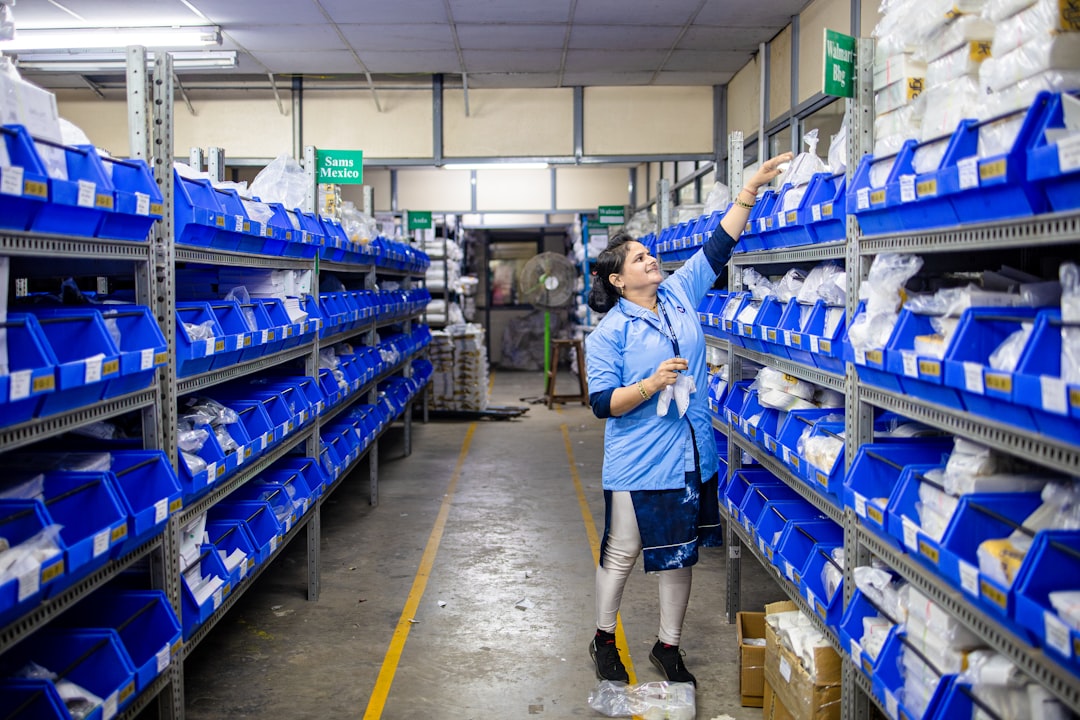
You’re on your feet for ten hours straight, scanning boxes in a warehouse that stretches like an airport hangar, and your back is already screaming by lunch. The pay stub in your pocket shows $18.50 an hour—decent, maybe, but not enough to cover that dental bill or the community college course you’ve been eyeing for two years. You didn’t take this job for the benefits; you took it because they hired you in three days. But here’s what no one tells you during orientation: buried in the fine print of your W-2, there’s a government-funded package worth thousands—free trade certifications, tuition assistance that doesn’t touch your paycheck, and relocation stipends for better shifts—that most warehouse workers never ask about. Your coworkers don’t know it exists. Your manager won’t mention it. Yet, while you’re lifting and sorting, Amazon and Walmart are quietly banking on you staying ignorant. Here’s how to claim what’s already yours.
The $10,000 Benefit Package You’re Probably Ignoring
You’re scrolling through posts about hourly pay or scanning for warehouse jobs near me hiring immediately, and that’s smart—but it’s only half the story. What most people never mention is that you can walk into a warehouse role and immediately unlock up to $10,000 in hidden benefits without paying a dime out of pocket. The catch? You have to ask for it, because employers won’t hand it over unprompted. Federal programs like WIOA funding can cover your forklift certification—worth $200 to $1,500—and your local workforce board might even pay for CDL training or safety certifications that boost your hourly rate by $3 to $5 on day one.
Then there’s the tuition reimbursement many companies quietly offer but never advertise. Amazon, for example, will cover 95% of tuition for courses in high-demand fields like logistics or IT, and Walmart has similar programs through its Live Better U initiative—but only if you request the details during onboarding. Some warehouses also provide relocation stipends of $1,000 to $5,000 if you’re willing to move to a high-demand area like California or Texas, where average hourly pay hits $18 to $25. The trick is to ask about “direct hire” positions versus temp-to-perm roles, because direct hires unlock these benefits faster.
You’re leaving money on the table if you don’t dig into the fine print. Most workers skip the benefits orientation, assume tuition help is only for managers, or never realize a local workforce board can front the cost of a certification in under two weeks. That’s why a premium checklist exists—to walk you through exactly which questions to ask and who to call. Don’t settle for just a paycheck when a full benefits package is sitting there, waiting for you to claim it.
Hourly Pay by State: Where Your Time Earns the Most
You already know that not all warehouse jobs pay the same, but the gap between states might surprise you. In California, the average hourly rate hovers between $18 and $25, with Amazon starting most entry-level roles at $19.50 in the Bay Area and Los Angeles. Washington state bumps that even higher—$20 to $26 per hour in Seattle, thanks to mandatory paid sick leave and strong labor laws. New York follows close behind, where warehouse associates often earn $19 to $24, especially near distribution hubs in Syracuse or Albany.
But the real hidden gems are states like Nevada and Ohio. In Reno and Las Vegas, warehouse pay averages $17 to $22 per hour, driven by massive fulfillment centers and a lower cost of living than coastal cities. Ohio’s Columbus and Cincinnati markets offer $16 to $21 per hour, but with peak season bonuses and shift differentials, you can push past $25 for overnight or weekend work. If you’re searching for warehouse jobs near me hiring immediately, these mid-tier states often have less competition and faster direct hire processes.
Pay tiers at Amazon are structured to reward flexibility. A standard day shift starts at $17 to $19, but a night shift differential adds $1.50 to $3.00 per hour. Weekend-only shifts—Friday through Sunday—come with an extra $3 to $5 per hour, pushing your effective rate past $22. Walmart warehouses, while slightly lower on base pay ($15 to $18 in most states), offer consistent 40-hour weeks and quarterly bonuses tied to productivity. The trick is knowing which shift to target before you apply.
State averages only tell part of the story. A $20-per-hour job in Texas (where the state average is $15 to $20) is solid, but the same wage in Massachusetts ($22 to $27 average) might leave you scrambling for rent. If you’re willing to relocate for six months, states like Nevada or Colorado offer immediate openings with temp-to-perm pipelines that convert to full-time benefits after 90 days. That’s when the hidden package—tuition reimbursement, 401(k) match, and paid certifications—kicks in.
How to Get a Free Forklift Certification (and Why It Triples Your Job Offers)
That hidden package starts with something most workers overlook: a forklift certification worth $200 to $1,500 that you can get for free. The Workforce Innovation and Opportunity Act (WIOA) funds these certifications through local workforce boards and community colleges nationwide. You qualify even if you're currently employed, as long as your household income falls under certain thresholds. One quick call to your state's workforce development office can unlock a credential that immediately triples your job offers—especially for warehouse jobs near me hiring immediately.
The trick is to apply while you're still working your current gig. Most programs offer evening or weekend classes that run two to four weeks. Amazon and Walmart both list forklift operators at higher starting pay tiers—often $2 to $4 above base warehouse rates—and they prioritize certified candidates even for entry-level roles. Your certification also opens temp-to-perm positions that pay shift differentials and peak season bonuses right from day one. Without it, you're competing against hundreds of uncertified applicants for the same $17-an-hour job.
Here's the insider edge: many workforce boards partner directly with local warehouses to fast-track your certification while you work. You show up for a half-day evaluation, pass a written test and practical exam, and leave with a portable credential recognized by every major employer in your state. That $1,500 piece of plastic can bump your starting offer from $15 to $22 an hour depending on your location. Most workers never ask because they assume certification requires months of training—but the reality is you can hold a valid license within two weeks while collecting a paycheck.
Amazon vs. Walmart Hiring Process: Insider Tips to Get Hired This Week
That two-week certification timeline lines up perfectly with how the two biggest warehouse employers actually hire. Amazon uses a multi-step online assessment that screens for problem-solving and safety awareness before you ever set foot in a building—but here’s the trick: the assessment is timed, so practice the logical reasoning section on your phone the night before. Once you pass, you gain access to their shift bidding portal, where you can grab a $3–$5 shift differential for overnight or weekend slots that most new hires avoid. During peak season, that same differential can stack with a $1–$3 per hour peak season bonus, pushing your effective rate past $25 an hour in states like California or Washington.
Walmart operates differently. Their direct hire model means you apply, get a conditional offer within 48 hours, and start orientation as soon as your background check clears—often the same week. The catch is you need to check their warehouse jobs near me hiring immediately filter on the careers page, because they frequently purge inactive listings. If you see an opening with a start date within seven days, apply at 8 AM Tuesday mornings when new shifts are released; hiring managers confirm that early applicants get first dibs on day shifts with no experience required. You also avoid temp-to-perm agencies entirely, which means your 401(k) match and tuition reimbursement kick in from day one—both benefits most agency workers never see.
The real edge comes from knowing which employer suits your timeline. Amazon pays a higher hourly base but expects you to commit to a fixed shift for at least 90 days, while Walmart lets you start immediately and often offers flexible scheduling after 30 days. Both companies run background checks, but Walmart’s is typically faster because they use an automated system that clears most candidates within 24 hours. If you’re scanning warehouse jobs near me hiring immediately this afternoon, start with Walmart’s direct hire portal, then pivot to Amazon’s shift bidding board if you want the higher peak season pay.
The 3 Questions You Must Ask in Every Warehouse Interview (Most Workers Don’t)
You’ve already landed the interview for one of those warehouse jobs near me hiring immediately—but your paycheck isn’t just about that hourly rate. The real money hides in benefits most workers never mention. Ask this first: “What’s your tuition reimbursement structure, and can I use it for certifications unrelated to my role?” Amazon, for example, covers up to $5,250 annually for programs from accounting to robotics—and you don’t need a degree to qualify. Second: “What’s the vesting schedule on the 401(k) match?” A 4% match at $20 an hour means an extra $1,600 a year, but if you don’t know the wait period, you might leave that cash on the table when you switch warehouses. Finally: “How long before health insurance kicks in?” Some direct hires start coverage day one; temp-to-perm roles often force a 90-day gap where one ER visit could eat your peak season bonus. Most hiring managers expect you to only care about the starting wage. When you ask these three questions, you signal you understand total compensation—and you’ll be the candidate who gets pushed toward the best shifts and the hidden WIOA funding for free forklift certifications. They’re not going to offer these perks unprompted; you have to pull them out.
You don’t need permission to start asking about shift differentials, ergonomic evaluations, or tuition reimbursement tomorrow morning. One specific move: walk into HR with a printed copy of your job description and ask, “What supports are available to help me stay healthy and grow here—not just survive the week?” Success looks like a workplace where your body isn’t the cost of the job, and your future isn’t capped by the warehouse floor. But here’s the uncomfortable truth: most of these benefits only exist because someone before you demanded them—so ask yourself what else might be quietly waiting for someone brave enough to break the silence.