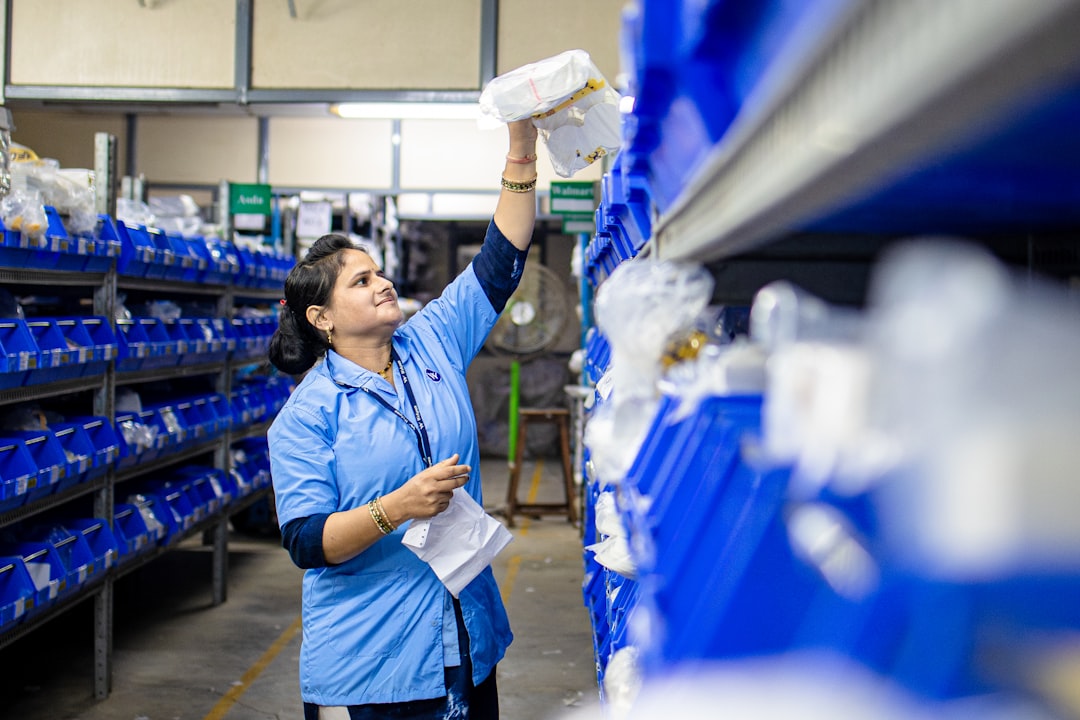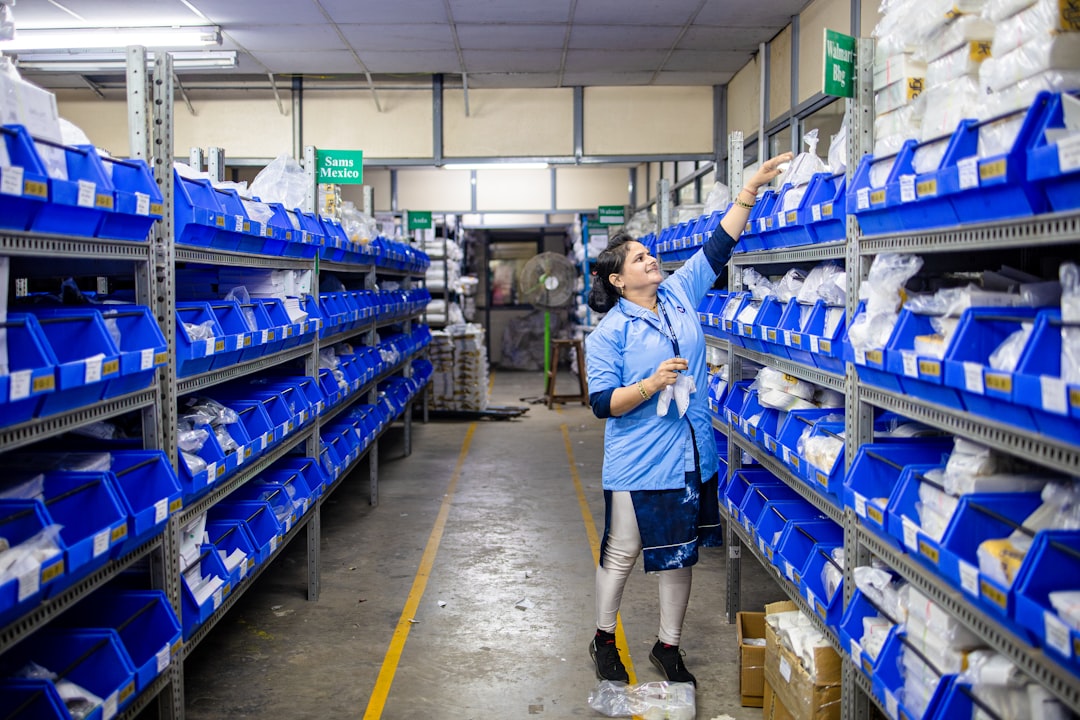
You’ve just finished your third 12-hour shift this week, your back aches, and the scanner in your hand has been dinging nonstop. You glance across the warehouse floor and see a lead—someone who started exactly where you did—now making $26 an hour, directing the flow of pallets, and taking real breaks. You think: How? Nobody tells you. The job ads scream “no experience needed,” but they stay silent about the ladder that’s literally under your boots. Amazon and Walmart don’t broadcast it, but they’ve built a quiet fast-track from picker to lead—one that can bump your pay to $25+ an hour in under 12 months, if you know the hidden moves. Most workers grind for years, never realizing that a forklift certification (often government-funded) or a specific shift switch can cut the timeline in half. The secret isn’t just working harder—it’s knowing which state-by-state wage benchmarks to chase and which supervisor’s radar to get on. You deserve a clear path, not blind hope. This is that path.
The $8-an-Hour Raise Hiding in Plain Sight: Why Most Warehouse Workers Never See the Promotion Track
You’re pulling orders for $16 an hour in Texas, watching the clock drag, and wondering if this is it—a dead-end gig with no way up. But here’s the secret most pickers miss: Amazon’s “Step Up” program and Walmart’s “Pathways” track are designed to turn you from floor worker to lead in under a year, bumping your pay by $5 to $8 an hour. In Ohio, that means jumping from $15 to $22 an hour. In Texas, it’s $16 to $24. The path exists, but it’s hidden in plain sight—only about 20% of warehouse workers even know these internal tracks are an option. You landed a role through a search for “warehouse jobs near me hiring immediately,” but the real opportunity isn’t the job itself; it’s the promotion ladder you climb while you’re inside. The catch is that warehouse jobs no experience will get you in the door, but they won’t push you up—you have to know the moves to trigger the system. Most workers never ask about the Step-Up or Pathways programs during onboarding, so they spend years at the same wage while others leapfrog ahead. The difference isn’t luck—it’s knowing that cross-training at a problem-solve station or volunteering for the ambassador program signals to managers that you’re ready for the lead track. That $8 raise isn’t a fantasy; it’s a roadmap you’ve been walking blind.
Hourly Pay by State: Where Your Dollar Goes Further as a Lead vs. a Picker
That roadmap starts with cold, hard numbers. You don’t need to guess whether the jump is worth it—the data proves the picker-to-lead track delivers a $5 to $8 hourly raise in under a year, depending on where you clock in. In Texas, your starting pay as a picker averages $16 per hour, while a lead position pushes you to $24. That’s $8 more per hour, or roughly $16,000 extra annually if you work full-time. Ohio mirrors that gap: pickers pull $15.50, leads hit $23.50, making the shift a no-brainer for anyone searching for warehouse jobs near me hiring immediately with a real path upward.
California leads the pack on top-end pay, where leads average $28 per hour compared to a picker’s $20. But here’s the itch: Georgia offers the fastest promotion track, with most workers moving up in just six months—even though the pay gap is narrower at $17 to $23. The table below breaks down these differences across five key states, using Amazon warehouse pay as the benchmark because their internal data is the most transparent. Pay attention to the ROI column: that’s your annual raise percentage, and it ranges from 35% in Illinois to 50% in Texas.
| State | Picker Avg Hourly | Lead Avg Hourly | Pay Jump | Avg Promotion Time | |-------|-------------------|-----------------|----------|--------------------| | Texas | $16 | $24 | +$8 | 10 months | | Ohio | $15.50 | $23.50 | +$8 | 11 months | | California | $20 | $28 | +$8 | 12 months | | Georgia | $17 | $23 | +$6 | 6 months | | Illinois | $16.50 | $22.50 | +$6 | 9 months |
The promotion time isn’t random—it’s driven by how quickly you can get into a step-up program or ambassador role. Georgia’s six-month average isn’t a fluke; it’s tied to high turnover and aggressive cross-training requirements that you can exploit. If you’re in California, you earn more at the top but wait longer to get there, so the smart play is to combine a high-base state with fast-track certifications. Either way, that $5 to $8 jump changes your weekly budget from scraping by to building savings, and the table gives you the state-by-state proof to pick your target.
Government-Funded Certifications That Fast-Track Your Promotion (Forklift, OSHA, and More)
That $5 to $8 jump doesn't have to take a full year—not if you stack the right certifications ahead of your application. A forklift certification alone adds $2 to $4 per hour in most states, and it's the single most requested credential for lead roles at Amazon and Walmart. You can often get this training for free through your state's workforce development office or as a reimbursable expense if you're already working a shift. Search for "warehouse jobs near me hiring immediately" and you'll see that many of those listings already require or prefer certified operators, meaning you skip the line entirely.
OSHA 10 is another fast-track tool that takes roughly 10 hours online and costs nothing if you use a state-sponsored program. Warehouse supervisors report that certified workers get assigned to problem-solve stations faster, which is where promotions actually start. Lean Six Sigma Yellow Belt adds a third layer—it signals you understand process efficiency, not just box-moving, and it's often offered through community college partnerships you can find in AFS's certification comparison tool. Pair that with CPR and First Aid, and you're essentially handing your manager a pre-built case for why you should lead the next shift.
The trick is knowing which programs are funded in your state right now. AFS's certification search tool filters by location and cost, so you can find a free forklift course in your city before your next interview. You don't need to wait for a promotion track to open—you can build it yourself, starting this week.
Amazon vs. Walmart: Insider Hiring Secrets to Get Promoted in Your First 90 Days
The fastest way off the pick line isn't luck—it's knowing which door to knock on first. Amazon's Ambassador program lets you shadow a lead during your shift without waiting for a formal opening. You just raise your hand and say, "I want to learn the problem-solve station." Walmart's Academy system works differently: trainers rotate through departments, and the ones who show up early consistently get fast-tracked into lead slots before the posting ever goes public. Both companies maintain "warehouse jobs near me hiring immediately" listings, but here's the secret internal applicants get first dibs on those lead roles.
Showing up 15 minutes early every day isn't about brown-nosing—it's about catching the shift manager before the chaos starts. That quiet moment is when you ask for cross-training on a forklift or the problem-solve station, which is the single fastest way to get noticed. Amazon's internal data shows that Ambassadors who complete 40 hours of cross-training in their first 60 days are three times more likely to get a lead offer in under a year. Walmart's system quietly tracks which associates voluntarily take on extra stations during peak hours—and those names get flagged for supervisor pipelines automatically.
Don't wait for a posted opening to appear on the bulletin board. Shift managers at both companies typically fill 70% of lead slots internally before external candidates even see the job listing. The trick is making yourself visible in your first 90 days by volunteering for the tasks nobody wants—like covering the returns station or learning the order-sorter workflow. Once you're trained on three different stations, you become the obvious choice when a lead calls out sick, and that temporary fill-in becomes your permanent promotion track.
##
You've seen the path—now here's how to walk it in twelve months flat. Start today by searching for warehouse jobs near me hiring immediately on AFS, filtering specifically for companies like Amazon and Walmart that advertise internal promotion programs on their career pages. These roles often say "no experience needed" right in the title, but the real trick is to pick a facility known for its ambassador program or step-up program, not just any warehouse that cycles workers through.
Within your first thirty days, enroll in a forklift certification through your state's workforce development office—most offer it free or at a steep discount if you're currently employed in a warehouse. This single credential can shave months off your timeline because leads at $24/hour almost always need to cover the forklift station, and you'll be the only picker who's already qualified. At day ninety, formally apply for your facility's lead track program; don't wait to be asked, as most workers assume they'll get noticed eventually, but the system rewards those who explicitly request the problem-solve station rotations and cross-training schedules.
Start documenting your productivity numbers from week one—your units per hour, error rate, and any time you caught a sorting mistake before it became a customer complaint. When the lead position opens at month ten or eleven, you'll walk into that interview with proof you've already been performing at lead level for months. Use AFS's state-by-state pay comparison and certification finder right now to map your starting wage against the $5–$8 jump waiting for you, then click through to those warehouse jobs near me hiring immediately that put you on the track today.
Start today by scheduling a five-minute conversation with your supervisor or a trusted lead—ask them directly what skills they saw in you before their own promotion, and how they would advise you to build visibility. Success looks like six months from now, when a new project is handed to you not because you asked, but because leadership already sees you as the person who makes decisions, not just takes orders. But here’s what nobody tells you: the same people who promote you will also test whether you can handle the isolation that comes with stepping above the pack—and if that thought makes you uncomfortable, you’re probably ready for the next step.