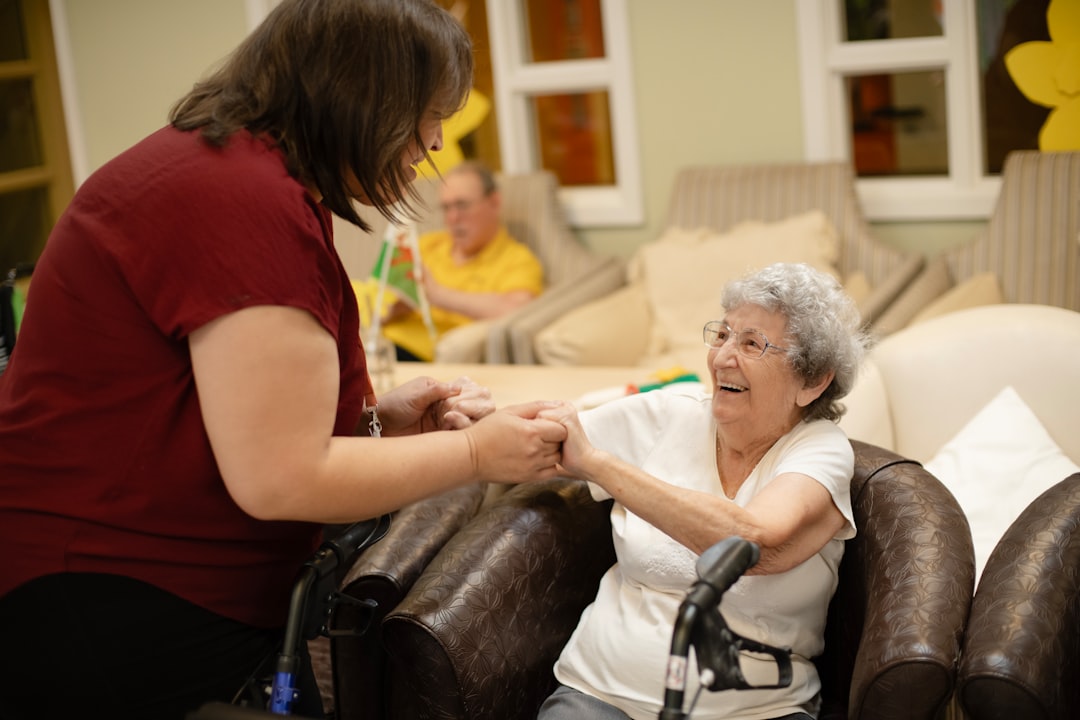
You’re on the phone with your mom when she casually mentions she’s “been eating a lot of frozen dinners lately.” You laugh it off—she’s always hated cooking for one. But the next week, you notice the half-empty refrigerator, the expired milk, and the unopened delivery of groceries she swore she ordered. Then you see the bruise on her arm she can’t explain. That subtle shift—the shrinking grocery list, the abandoned laundry in the machine, the sudden preference for “easy” foods—isn’t about convenience. It’s one of the earliest, most overlooked signs of fall risk. And by the time most adult children recognize it, they’re scrambling for costly solutions. But here’s the truth you’re not supposed to know: there are government-funded programs—Medicaid waivers, VA benefits, free in-home safety assessments—that can pay for the help she needs right now. You just haven’t been told how to find them. The fear you’re feeling? It has a funded path forward.
The Fall Risk Sign Hiding in Plain Sight (And Why You Miss It)
You call your mom every Sunday, and she always says she’s “fine.” But lately, you’ve noticed something off in the background of your video chats. Her laundry pile is shrinking—not because she’s cleaner, but because she’s avoiding the basement stairs. That shrinking pile is the fall risk sign most adult children miss until a hip fracture forces a hospital bed into the living room. It’s subtle, almost invisible: a parent wearing the same outfit three days in a row, a grocery list that’s suddenly half its normal size, or a garden that’s gone from lush to neglected. These aren’t quirks of aging. They are mobility red flags—loud screams your parent is terrified to admit they can’t safely navigate their own home.
You miss it because you’re looking for the dramatic: a stumble, a pause, a complaint of dizziness. But the real danger is silent. Your dad might stop carrying his coffee mug upstairs because his grip is weak. Your mom might order delivery instead of walking to the kitchen to cook. Each avoidance is a choice to shrink their world, inch by inch, until one wrong step on a loose rug sends them crashing. That single fall can cost $30,000 in hospital bills and force your parent into a facility against their will. But you can avoid that today by spotting this sign early—because it unlocks free, government-funded help you didn’t know existed.
The moment you notice that shrinking laundry pile, you’ve caught the fall risk before the fall. Now act on it. An area agency on aging can send a nurse for a $0-cost fall risk assessment that identifies every hazard in their home. That assessment can then qualify your parent for an HCBS waiver—a Medicaid program that pays for in-home safety evaluations, grab bars, and even up to 40 hours per week of paid caregiver support. You don’t need to drain your savings for home care for elderly parents. The government will cover it, but only if you apply before the crisis hits. The sign is there. The money is waiting. The only question is whether you’ll see it in time.
Why Most Families Never Apply for the Free Help That Exists
The only question is whether you’ll see it in time—and then, whether you’ll know where to turn. Because even when adult children spot that subtle fall risk sign most adult children miss, they hit an invisible wall: the assumption that help costs more than they can afford. That wall is built on a myth. You’ve likely heard that home care for elderly parents runs $25 to $35 an hour, and you’ve probably typed “senior caregiver near me” into a search bar only to close the tab after seeing the estimates. But what you haven’t heard is that the federal government and your state set aside billions each year for programs that cover this exact scenario—yet fewer than 10% of eligible families ever apply.
The first barrier is pure invisibility. Most families don’t know that Medicaid’s Home and Community-Based Services (HCBS) waivers can pay for Medicaid home care right in your parent’s living room, without requiring them to move to a facility. They don’t realize the VA’s Aid & Attendance pension exists specifically for wartime veterans who need help with bathing, dressing, and navigating stairs—activities that become dangerous when that overlooked fall risk sign starts appearing. These programs aren’t obscure loopholes; they’re legislated benefits, but they’re buried under layers of jargon and paperwork that overwhelm already-stressed caregivers.
The second barrier is the belief that an assessment itself is a costly ordeal. In reality, your local Area Agency on Aging offers free in-home safety evaluations. A licensed professional will walk through your parent’s home, identify mobility red flags like that shrinking laundry pile or the groceries getting lighter, and connect you directly to the programs you qualify for. No billing. No commitment. Just a clear map to funding you never knew existed. The in-home senior care cost you’ve been dreading? It may be fully subsidized the moment someone officially documents the fall risk. But you’ll never know unless you take that first step—and most families never do.
3 Government Programs That Can Slash Your In-Home Senior Care Cost to $0
That first step is simple, and it starts with three programs most families overlook entirely. The fall risk sign most adult children miss—the shrinking grocery list, the pile of unwashed laundry—is actually your golden ticket to unlocking free or heavily subsidized care. You don't need to drain your savings or quit your job. You just need to know where to apply.
State Medicaid Home and Community-Based Services (HCBS) Waivers are the single most powerful tool for reducing in-home senior care cost to near zero. These waivers are designed specifically to keep seniors out of nursing homes by funding home care for elderly parents directly. Eligibility varies by state, but the income threshold is often higher than you think—many states allow assets up to $2,000 for a single person, and some even let you keep a home and car. Once approved, your parent can receive up to 40 hours of paid caregiver support per week, covering everything from bathing and meal prep to fall risk assessments. The catch? Most families never apply because they assume Medicaid means poverty. In reality, many middle-class seniors qualify through "spend down" or special income trusts.
The VA Aid & Attendance Pension is the best-kept secret for veterans and their surviving spouses. If your parent served at least 90 days of active duty with one day during wartime, they may qualify for up to $2,300 per month in tax-free cash to pay for home care for elderly parents. That’s not a loan—it’s a pension. The fall risk sign most adult children miss often triggers a cascade of mobility red flags that the VA recognizes as a medical need. You don't need a VA disability rating. You just need a doctor to document that your parent needs help with daily activities. Most families leave $20,000-plus on the table every year because they search "senior caregiver near me" instead of "VA Aid & Attendance application."
The Area Agency on Aging (AAA) offers free, no-strings-attached in-home safety evaluations that can instantly connect you to local funding. These federally-funded agencies are in every county, yet 90% of adult children never call them. An AAA caseworker will send a professional to your parent's home to perform a fall risk assessment, identify mobility red flags, and—here’s the kicker—match you with every available local and state program your parent qualifies for. This includes sliding-scale payment assistance, caregiver respite grants, and even free home modifications like grab bars and ramps. One call can reduce your in-home senior care cost from $4,000 per month to zero, but only if you ask the right question: "What Medicaid home care waivers are available in our county?" The AAA caseworker will hand you the application forms. You just have to fill them out.
How to Find a Senior Caregiver Near Me (and Pay for It with Benefits)
You just have to fill them out—starting with a call to your local Area Agency on Aging. That single phone call unlocks a free in-home safety evaluation and a case manager who knows every funding loophole in your county. They'll assess your parent for the fall risk sign most adult children miss, like that shrinking grocery list or the way they've stopped carrying laundry upstairs. Once that's documented, you're suddenly eligible for programs you didn't know existed.
The HCBS waiver is the hidden gem here. It can cover up to 40 hours per week of paid caregiving—including a professional senior caregiver near me who handles bathing, meal prep, and mobility assistance. Your parent gets to age in place, and you stop guessing whether they're safe. The cost? Often zero, if your parent qualifies financially. But here's the itch: most families never apply because they assume they earn too much, when actually the rules are far more flexible than you think.
For veterans or surviving spouses, the Aid & Attendance pension is your golden ticket. A single fall can cost $30,000 in hospital bills and force your parent into a facility—but this pension can pay for in-home senior care cost instead. You can get a certified caregiver who catches those mobility red flags before a hip breaks. No one tells you that the VA will cover family members as paid caregivers, too, if you set it up right.
Start typing "home care for elderly parents" into your search bar, but don't click the first ad. Call 2-1-1 first, or ask the hospital discharge planner about Medicaid home care options. The paperwork is short, the wait times are shrinking, and the money is already allocated. Your job is to claim it before the next fall steals that chance.
The 72-Hour Window: Your Checklist to Prevent the Fall and Secure Funding
You have roughly three days to turn that sinking feeling into action. Once you spot the shrinking grocery list or the avoidance of stairs, the clock starts ticking on a window that closes fast—usually with a 911 call and a $30,000 hospital bill. Here’s the uncomfortable truth: every day you delay, the risk compounds, and the cost of home care for elderly parents climbs by hundreds of dollars you’ll never get back. But if you move now, you can intercept the fall entirely while unlocking funding most families never know exists.
First, call your local Area Agency on Aging. They’re federally mandated to provide free fall risk assessments and connect you directly to programs like the HCBS waiver—which can cover everything from grab bars to 40 hours a week of paid caregiver support. Ask specifically for an in-home safety evaluation; they’ll send an occupational therapist to your parent’s home at zero cost. This single call is the key that opens the door to Medicaid home care benefits you may have assumed your parent wouldn’t qualify for.
Next, start the paperwork for a Medicaid waiver application and, if your parent is a veteran or surviving spouse, file for the Aid & Attendance pension. These two programs together can slash your in-home senior care cost to nearly nothing—but only if you apply before the next fall triggers a hospital stay that disqualifies your parent from home-based benefits. The fall risk sign most adult children miss is not a stumble; it’s the quiet retreat from normal routines, and catching it now means you can secure funding before the system labels your parent a “facility candidate.”
Finally, search senior caregiver near me while you wait for approvals, but don’t pay out of pocket yet. The 72-hour window isn’t just about preventing a fracture—it’s about locking in government-paid care before the hidden costs of ignoring the sign destroy your savings and your parent’s independence. The fall risk sign most adult children miss is also the key that unlocks the aid you never knew existed. Use it.
The most dangerous fall isn’t the one that happens—it’s the one you could have prevented with a single, honest conversation. Today, walk through your parent’s home with fresh eyes: listen for the shuffle of feet too tired to lift, notice the throw rug curled at the corner by the bathroom door. Success looks like a quiet Tuesday three months from now, when you realize they haven’t mentioned a “close call” in weeks. But here’s what keeps me up at night: nine out of ten falls happen in the home, and the sign most children miss isn’t a cluttered floor—it’s the lie your parent tells when you ask, “Are you okay?”